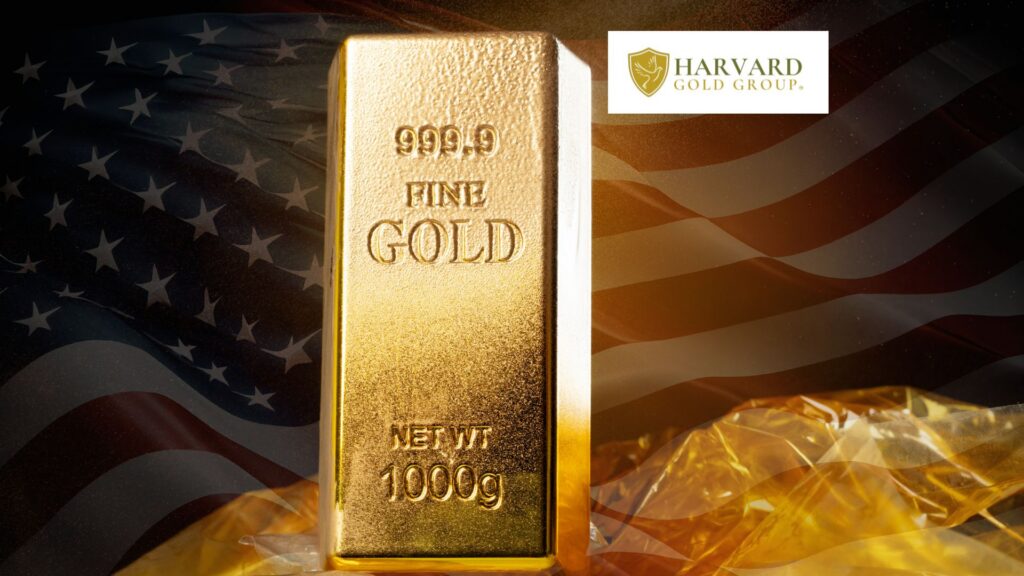

Gold briefly fell below $4,000 per ounce last week, reaching its lowest level since July. Silver declined even more sharply.
That movement may seem surprising to some people. Inflation remains elevated, the federal deficit is nearly $2 trillion, central banks continue purchasing gold, and geopolitical uncertainty remains high.
However, gold never responds to just one economic condition.
High real interest rates are competing with gold
The yield on the 10-year Treasury is approximately 5%. More importantly, inflation-protected Treasury securities presently offer a real yield of roughly 2.6%.
A real yield represents the return investors expect to receive after inflation. Because physical gold does not pay interest, high real yields make Treasury securities more competitive.
This does not mean Treasuries and physical gold serve exactly the same purpose. Treasuries provide income and a promise of repayment from the federal government. Physical gold is a tangible asset without a corporate or government issuer.
Nevertheless, investors consider the available return on bonds when deciding how much gold to hold.
The Federal Reserve still matters
The Federal Reserve is expected to leave interest rates unchanged at its October meeting. Markets currently believe another rate increase is possible in December.
That expectation is important. Gold often benefits when investors anticipate lower interest rates and falling real yields. It can struggle when markets expect rates to remain high or move higher.
Persistent inflation has made the Fed’s decision more difficult. Strong business activity and rising selling prices suggest the economy is still expanding, but price pressures have not been fully controlled.
Gold can decline during periods of uncertainty
Gold is often described as a safe-haven asset, but it does not rise during every market decline, war or inflationary period.
When investors become concerned, they may initially raise cash, reduce leveraged positions or purchase interest-bearing government bonds. A stronger dollar may also make gold more expensive for overseas buyers.
These forces can temporarily outweigh safe-haven demand.
Silver tends to experience even larger movements because it is both a precious metal and an industrial material. Concerns about manufacturing or economic growth can therefore pressure silver even when investors remain concerned about inflation.
Longer-term demand has not disappeared
Central banks and investment funds continue to accumulate gold.
The World Gold Council reported that global gold exchange-traded funds attracted approximately $10 billion in September. Their combined holdings increased to a record 4,256 metric tons.
China also reported purchasing 23 tons for its official reserves during September, its largest monthly addition in nearly three years.
These purchases may provide underlying demand, but they do not establish a floor beneath the market. Gold prices can still decline when bond yields rise, the dollar strengthens or speculative investors reduce positions.
What should retirement savers take from this?
Gold’s recent decline is a reminder that physical precious metals should not be evaluated solely by short-term price movements.
Gold can help diversify assets that otherwise depend heavily on financial institutions, corporate performance or government promises. It also carries risks. Prices fluctuate, gold produces no current income, and buying or selling physical metals involves spreads and other costs.
No one can promise that gold will rise during inflation, recession, war or financial stress.
For retirement savers, the more useful question is generally not whether gold will rise next week. It is whether an appropriate allocation of tangible assets fits their liquidity needs, time horizon, retirement objectives and overall financial position.
Harvard Gold Group helps individuals understand physical gold and silver for direct delivery and Precious Metals IRAs. Customers should carefully review pricing, fees, storage, liquidity, tax considerations and the possibility of loss before making a decision.
Story by Harvard Gold Group
Educational Note: This material is provided for general educational purposes and is not individualized investment, tax or legal advice. Precious-metals prices can rise or fall, and investors should consider their own objectives and circumstances before making a purchase.
Principal sources
- Current gold, silver, oil and Federal Reserve expectations. reuters.com
- Gold’s temporary decline below $4,000. ft.com
- U.S. Treasury real yields. Plover Analytics
- World Gold Council, September ETF flows. gold.org
- World Gold Council, Chinese central-bank gold purchases. gold.org
- Silver Institute, 2026 supply-and-demand outlook. silverinstitute.org