

Transfer Your 401(k) to a Gold/Silver IRA
401(k)
Claim Your Free Gold/Silver IRA Guide
All submissions agree to the risk disclosure + privacy policy. We respect your privacy & will not sell your information. Unsubscribe anytime.
3 Steps to Transfer Your 401(k) to a Gold IRA

Step 1: Open A Gold IRA
Our IRA Specialists will assist you in completing the paperwork and share a quick overview of the process, cost, and timing. See eligible accounts below.

Step 2: Fund New Account
HGG assists with paperwork and filing to open a Gold IRA. Transfers from your existing account to the new IRA are completed within a few business days. There is usually no need to call your current custodian.

Step 3: Select Your Metals
Once your account is funded, we can provide you with a simple metals and asset overview. This will help you decide if you want to include some silver as well. Assets are then shipped directly to your IRA-designated depository.
Eligible Accounts for Rollover/Transfer Include:
All Types of IRAs, Inherited Retirement Accounts, Pension Plans, 401(k), 403(b), 457, TSPs
All Types of IRAs
Inherited Retirement Accounts
Pension Plans
401(k)
403(b)
457
TSPs
*Ask us how you can earn up to 10 years of free Hard Asset IRA yearly maintenance fees*
401(k) Indirect vs. Direct Rollover:
Don’t get caught off guard— knowing the rules can save you money.
When considering a 401(k) transfer to a Gold IRA, it’s important to understand the two ways to move your retirement funds: a direct rollover or an indirect rollover. While both methods are technically allowed by the IRS, one is significantly safer and more efficient.
What’s the Difference?
-
A direct rollover is the safest and most common method. Your 401(k) custodian sends the funds directly to your new IRA custodian— such as a Gold/Silver IRA— without the money ever touching your personal bank account. This avoids taxes and penalties entirely.
-
An indirect rollover means the funds are sent to you personally. From there, you’re responsible for redepositing the full amount into a new IRA account— usually within 60 days— to avoid IRS penalties and taxes.
Why Direct Rollovers Are Preferred
Opting for an indirect rollover comes with serious risks:
-
Your plan administrator is required by law to withhold 20% of the distribution for federal taxes.
Example: If you plan to roll over $100,000, you’ll only receive $80,000— the other $20,000 is withheld for taxes. -
Despite receiving only $80,000, you must re-deposit the full $100,000 into your Gold or Silver IRA within 60 days to avoid taxes and penalties. This means you’ll need to come up with the missing $20,000 out-of-pocket temporarily.
-
If you fail to meet the 60-day deadline, the IRS treats the entire amount as a taxable distribution.
If you're under age 59½, an additional 10% early withdrawal penalty applies— potentially costing you tens of thousands of dollars.
Pros & Cons of a 401(k) Transfer to a Gold IRA
Pros:
✅ Tax-Free and Penalty-Free: Direct rollovers are not taxable events. You won’t pay penalties or taxes when you move funds directly into a Gold/Silver IRA.
✅ True Diversification: Unlike traditional 401(k) plans that are often limited to paper assets like mutual funds or employer stock, a Gold IRA lets you hold real, physical assets—such as IRS-approved gold, silver, platinum, and palladium coins and bars.
✅ Protection Against Market Volatility: Gold and silver can act as a hedge against inflation and stock market crashes, helping diversify your savings and support your long-term financial goals— even during downturns.
✅ Not Tied to Your Job: IRAs are not employer-dependent, so you don’t need to worry about transferring your account every time you change jobs or if your employer changes plan providers.
The one con for an IRA compared to a 401(k) is the inability to borrow against it.
Cons:
✅ The one con for an IRA compared to a 401(k) is the inability to borrow against it.
IRS Approved Gold & Silver Assets
Gold/Silver IRA accounts enable investment in precious metals such as gold and silver, offering a valuable avenue for asset diversification and financial safeguarding. However, IRS guidelines dictate specific requirements for approved precious metals.
The IRS allows for several other countries minted and guaranteed coins within your IRA, but the main requirement is that the gold coin must have a minimum purity of 99.5%.
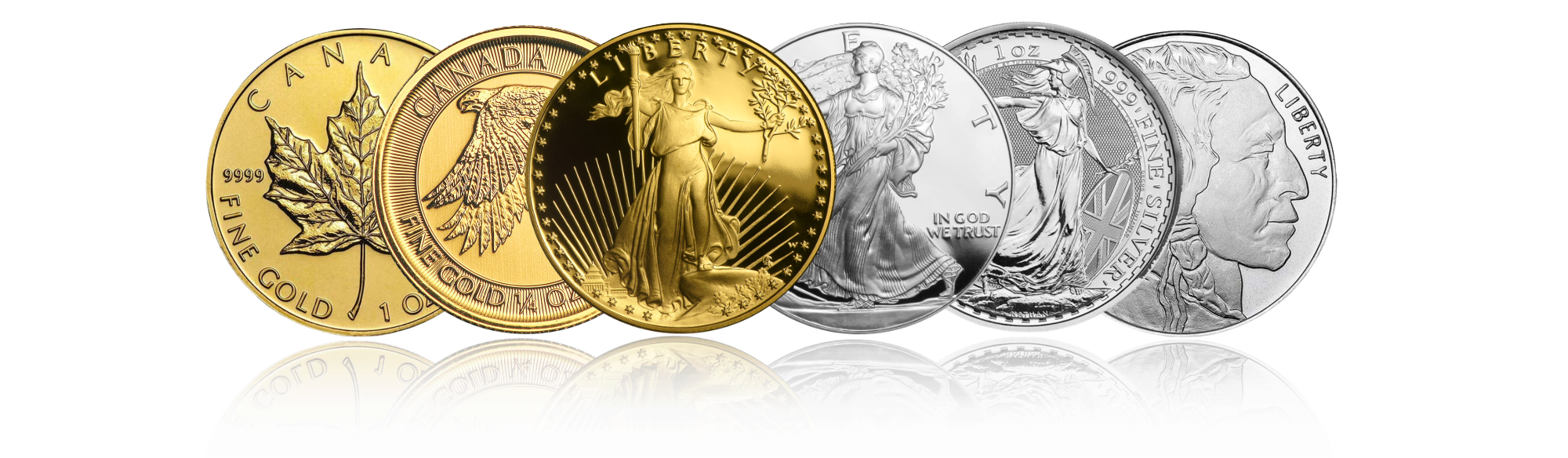
Examples of IRS-approved gold assets include:
Silver IRA coins and bars must be 99.9% pure. This fineness level is found in most assets sold by Harvard Gold Group.
Examples of IRS-approved silver assets include:
Considering Adding Platinum and/or Palladium to your IRA?
Ensure it meets the minimum purity requirement of 99.95%. Approved platinum options include American Platinum Eagles and the majority of platinum bars endorsed by the IRS.
Palladium is a sought-after precious metal that can be included in IRA portfolios. However, IRS regulations mandate that only palladium with a purity level of 99.95% or higher is eligible for deposition into an IRA account. Fortunately, many palladium bars and coins, such as the American Palladium Eagle, meet the IRS standards and are approved for IRA investment.
Featured Products for Gold/Silver IRAs
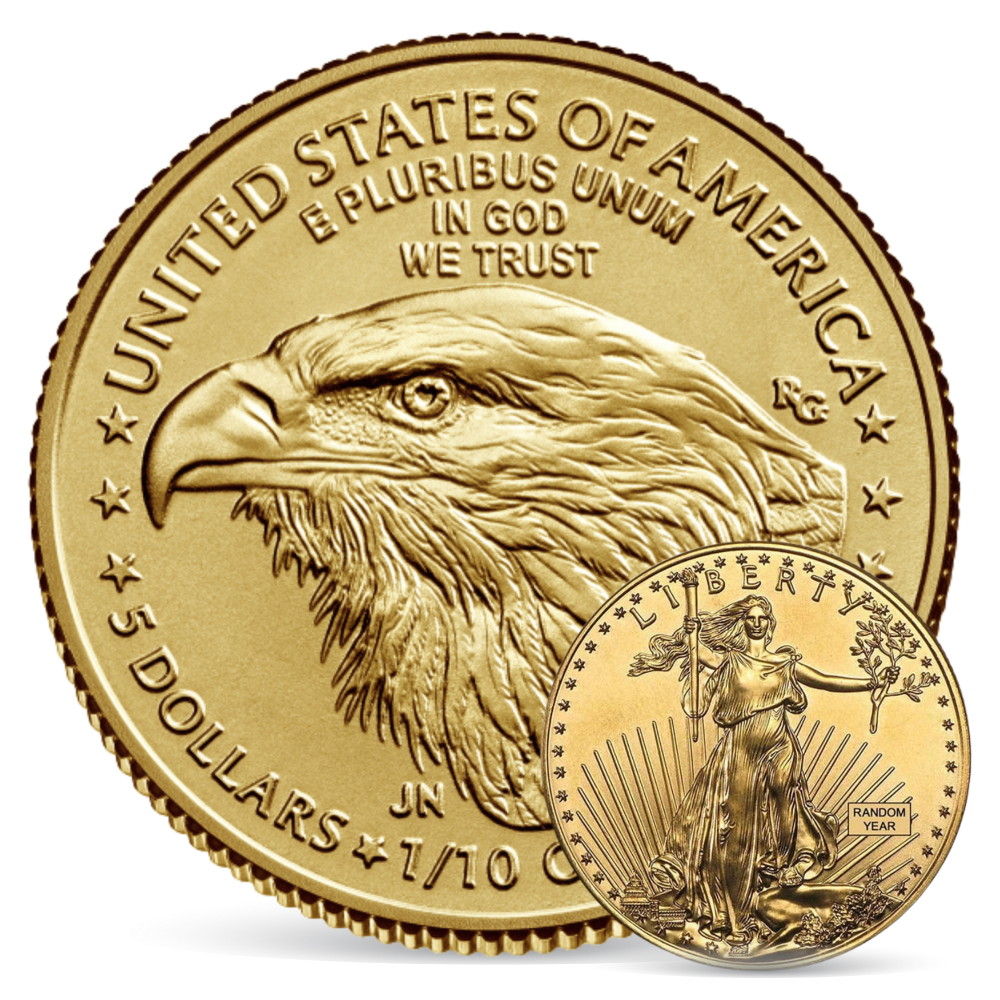
Gold American Eagle
U.S. Mint
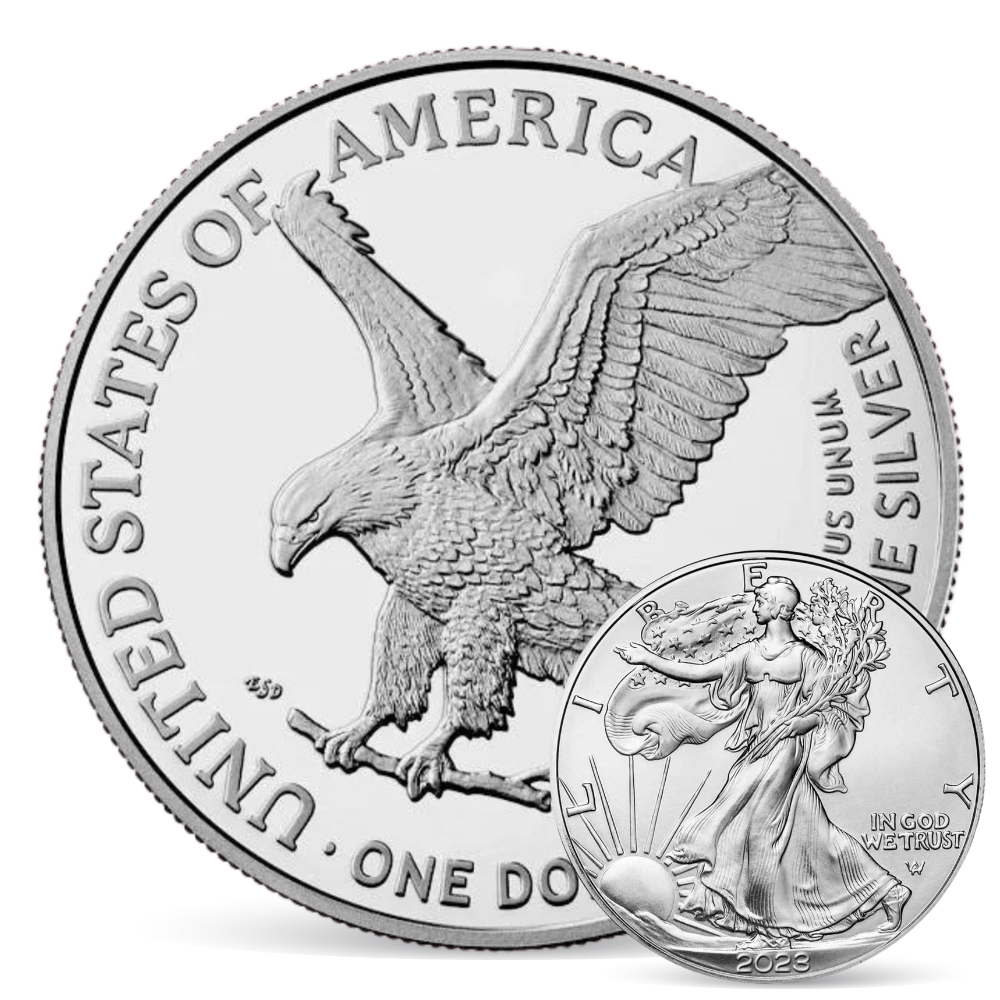
Silver American Eagle
U.S. Mint
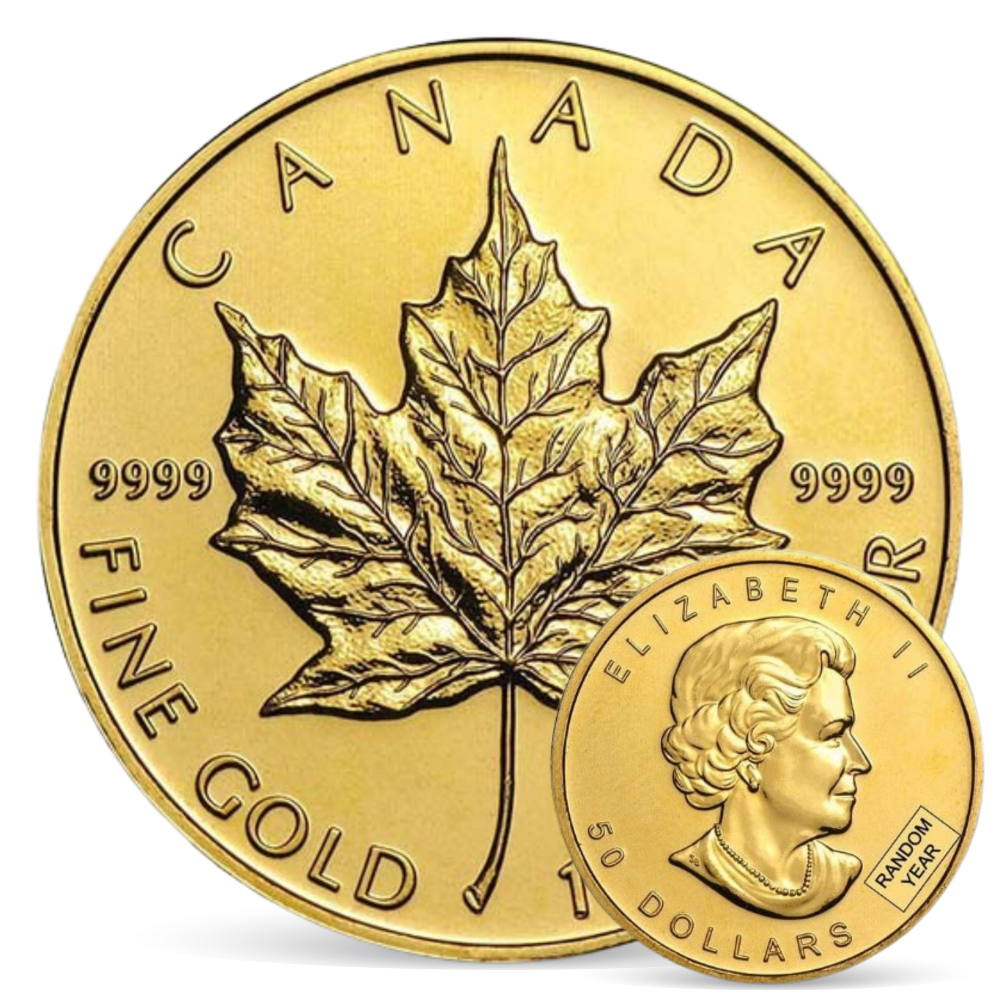
Gold Canadian Maple Leaf
Royal Canadian Mint
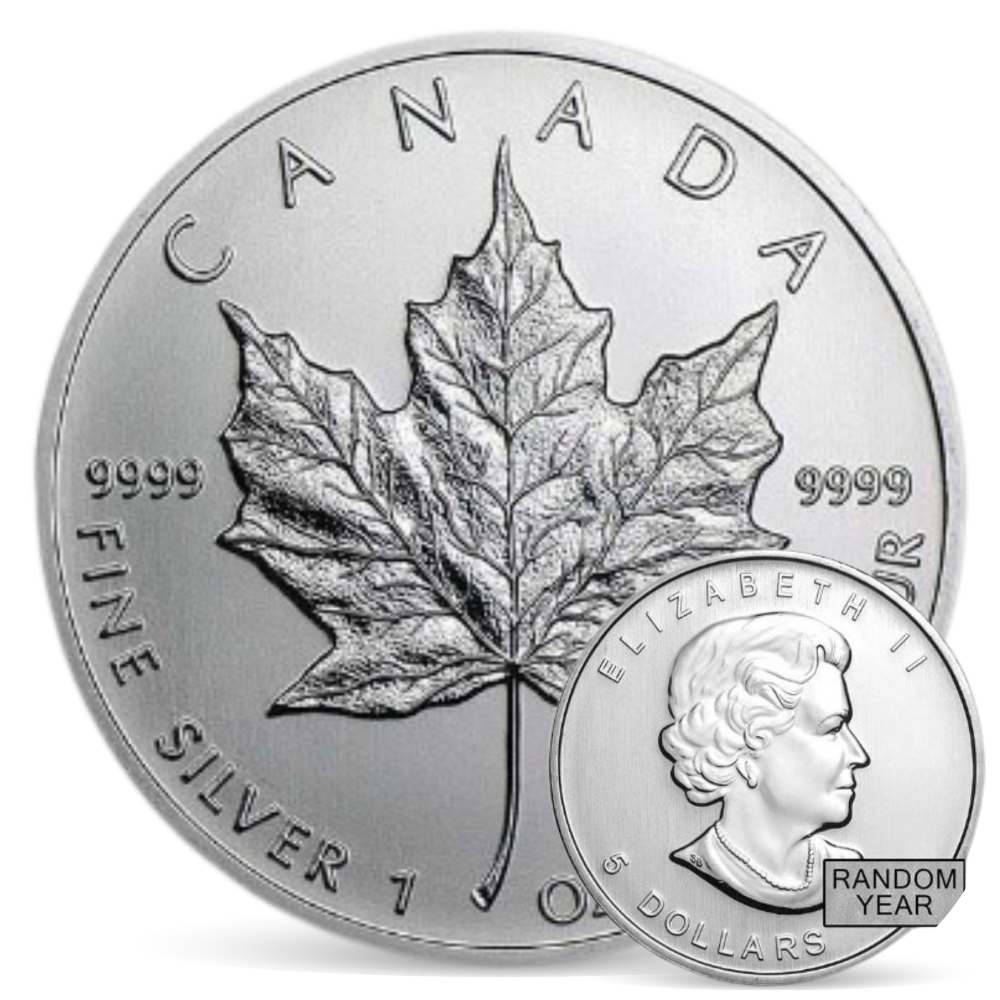
Silver Canadian Maple Leaf
Royal Canadian Mint
Why Consider a 401(k) Transfer to a Gold/Silver IRA?
Key Benefits of a 401(k) to Gold and Silver IRA Transfer
The primary reason individuals pursue a 401(k) transfer to a Gold IRA is to diversify beyond the limited investment options available in typical employer-sponsored plans. Traditional 401(k)s generally restrict you to paper-based assets. In contrast, a Gold and Silver IRA expands your portfolio to include not only precious metals but also alternative investments like real estate, mortgages, loans, commodity futures, mutual funds, and more—all while maintaining the tax-deferred status of your retirement account.
Another major advantage is the added flexibility in distributions and Required Minimum Distributions (RMDs). Employer-sponsored plans typically only allow cash distributions. However, a Gold/Silver IRA gives you the option to take your RMDs in physical metals, dollars, or a blend of both.
Hedge Against Inflation and the Declining Dollar:
Gold has long been regarded as a hedge against inflation and currency devaluation. Since 2000, the U.S. dollar has lost over 40% of its purchasing power. Since the creation of the Federal Reserve in 1913, it has lost over 96%. During that same time, gold has surged—from just $20 per ounce in 1913 to over $2,000 per ounce today—a 9,900% increase that underscores its historical resilience and buying power.
Protect Against Stock and Bond Volatility:
Between 2000 and April 2024, gold prices rose by more than 700%. Gold remains a powerful diversifier and stabilizer, especially in portfolios heavy with paper or dollar-denominated assets. Despite this impressive performance, many investors remain unaware of how well physical gold has fared over time.
The U.S. has weathered three major financial crises over the past 23 years—the 2001 dot-com crash, the 2008 Great Recession, and the 2020 COVID-19 pandemic. Adding physical gold to your retirement account not only helps protect against such downturns—it also positions you to benefit in both strong and uncertain economic conditions.
How to Know If Your 401(k) Is Eligible for a Gold IRA Rollover
- You’ve separated from your employer for any reason
- You are age 59½ or older
- Your employer was acquired or merged with another company
- Your company changed financial institutions
- You’ve inherited a 401(k) or other eligible retirement account
There are other potential qualifying situations—give us a call and we’ll walk you through it: (844) 977-GOLD
At Harvard Gold Group, it’s completely free to transfer your 401(k) into a Gold or Silver IRA. We handle the paperwork, coordinate with custodians, and guide you every step of the way—ensuring the entire process is tax-free, penalty-free, and complete within a few business days. In most cases, you won’t even need to contact your current 401(k) provider.
The information on IRA Types is provided directly from the IRS website. You can find more retirement account plan types and information on their site.
Click here: Types of Retirement Plans | Internal Revenue Service (irs.gov)
401(k) to Roth IRA Conversion: What You Should Know
A 401(k) to Roth IRA conversion involves moving funds from a traditional, tax-deferred 401(k) into a Roth IRA. This switch transitions your retirement savings from pre-tax contributions (which reduce your taxable income now) to a Roth structure, where qualified distributions are tax-free.
Because Roth IRAs are funded with after-tax dollars, converting your 401(k) means you’ll owe income taxes on the converted amount upfront. However, once inside the Roth IRA, your funds grow tax-free and future withdrawals—if qualified—are completely tax-exempt.
Know the Risks Before Converting
While converting a 401(k) to a Roth IRA can offer long-term tax advantages, there are important considerations:
- You must pay taxes on the converted amount in the year of conversion
- The process can involve significant paperwork and delays
- It may not be the right strategy if you don't have funds outside the account to cover the tax bill
We can assist with the paperwork for Roth conversions to a Gold or Silver IRA, but we strongly recommend consulting your CPA first. They’ll help determine whether a Roth conversion aligns with your financial goals and tax situation.
Roth 401(k) Rollover to Roth IRA
As of 2024, Roth 401(k) accounts no longer require required minimum distributions (RMDs) thanks to the SECURE Act 2.0. However, many account holders still choose to roll their Roth 401(k) into a Roth IRA to consolidate their accounts and maintain greater investment flexibility.
This rollover is tax-free and penalty-free when executed properly.
Here’s how it breaks down:
-
Both Roth 401(k)s and Roth IRAs grow tax-free and allow for tax-free qualified withdrawals.
-
Starting in 2024, Roth 401(k)s are exempt from RMDs, just like Roth IRAs.
-
Inherited Roth IRAs do still require RMDs under the 10-year rule, per SECURE Act changes.
While a rollover to a Roth IRA is no longer needed to avoid RMDs, it can still be a smart move to consolidate retirement assets and potentially access a wider range of investment options.
Disclaimer: HGG doesn’t offer tax advice but provides general tax rules and information from the IRS website to discuss topics related to our business. The information above is current for the 2025 tax-year. There can be exceptions in some cases, and rules can change with no notice. You can visit www.irs.gov
IS GOLD BETTER THAN SILVER OR VICE VERSA?
The Harvard Gold
Group Difference
Your Trusted Gold IRA Company
Harvard Gold Group (HGG) holds an A+ rating with the BBB and holds 5-star ratings on all major review sites.
HGG is the first gold dealer in America to provide customers the more “expensive" specialty coins at the same low range cost we offer for bullion coins. Don’t pay more for numismatic, semi numismatic, or collector coins.
We do not employ commissioned salespeople or bonused managers— ensuring that your goals, not sales quotas, are always our top priority.
Clients benefit from free consultations, transparent costs, and metals overviews, lifetime account support for you and your heirs— along with a simple, hassle-free buyback program.
Clients also enjoy direct assistance from HGGs co-owners who, since 2010, have helped Americans move over $100 million into tangible gold and silver, whether for secure direct delivery or retirement accounts / Precious Metals IRAs.