
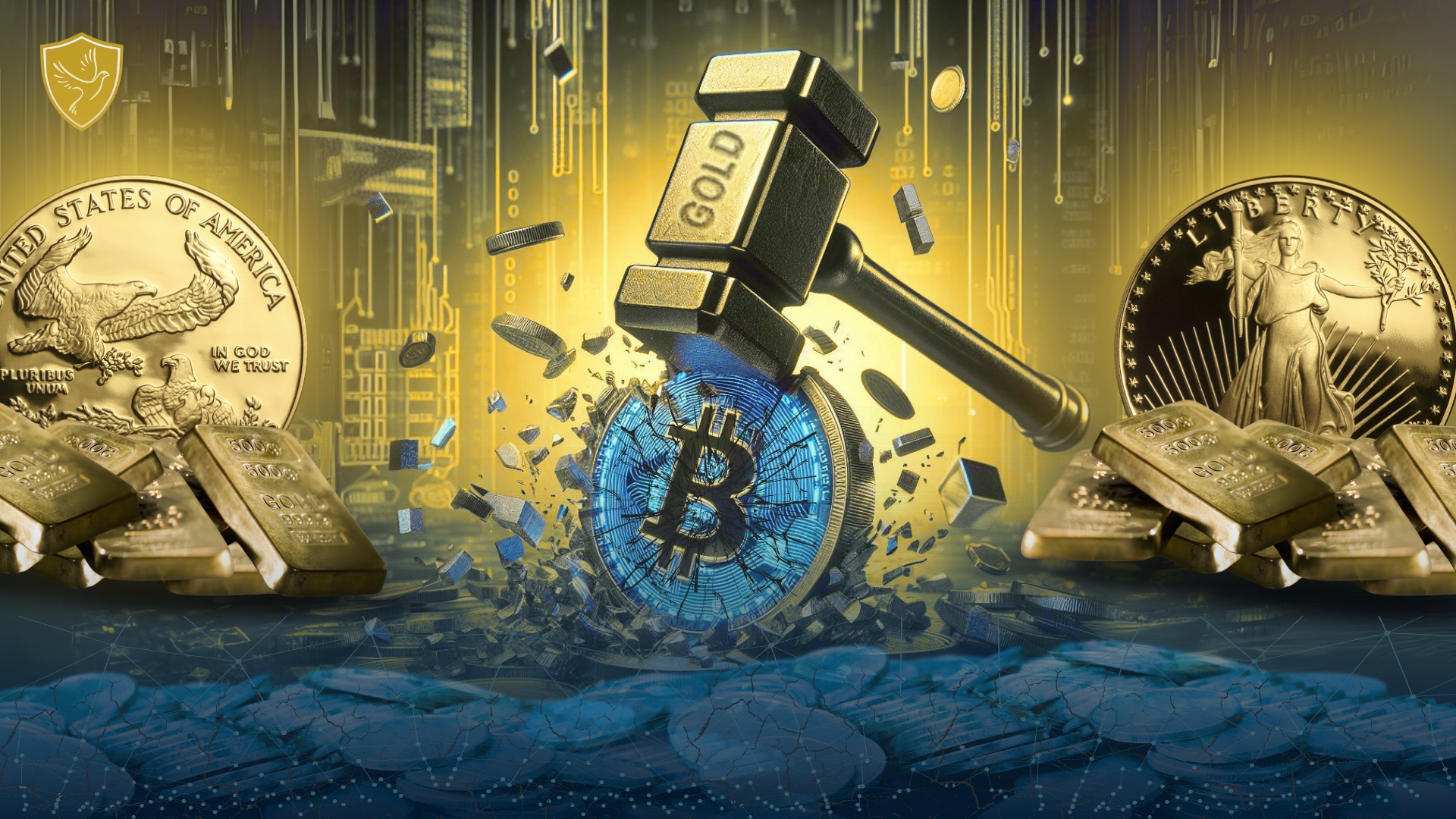
GOLD CRUSHES BITCOIN
The crypto community compares Bitcoin to Gold ~ What are the differences?
- Privacy: Gold offers privacy ~ all cryptocurrencies have an online fingerprint
- Liquidity: Gold is highly liquid ~ Bitcoin is shackled to the internet
- Tangible & Portable: Gold can be exchanged from one person to another
- Proven History: Gold has been money since 560 BC
- Gold’s Demand & Supply: Significantly more diverse
- Uses: Gold has hundreds of applicable and industrial uses
- Reliable Diversifier: Remains steady during paper-currency devaluation, market volatility, downturns of stock and bond markets, inflation, and war
- Volatility: All markets and assets have volatility and risk, but Bitcoin is off the charts with extreme volatility
Similarities
- Neither can be printed like paper currencies
- Not created by a government ~ nor controlled by any single government, financial institution, or bank
Partial Similarities
- Decentralized means of currencies
Bitcoin was designed by someone (or group of people) going by the name Satoshi Nakamoto. The creator(s) intention for Bitcoin was for it to be used as a decentralized currency. Satoshi has stayed anonymous which has brought about massive speculation, just like Bitcoin itself. Instead of being used as a deregulated currency for the masses to buy everyday necessities, people buy and hold it to try and make money. It has become the largest online gambling game in the world.
Bitcoin wallops gold as a gambling and speculative asset. The adoption of financial institutions making ETFs out of Bitcoin cements its place as such.

No Substitute for Physical Gold
Privacy:
Due to Gold’s tangibility and portability, it can be privately bought, sold, and traded.
Bitcoin and crypto enthusiasts for many years touted ‘privacy and online security’ as two of the key factors that they believed would skyrocket Bitcoin’s value. These professed attributes significantly contributed to Bitcoin's widespread adoption, boosting its appeal and value. While it's true that Bitcoin allows for transactions under digital identities, providing a measure of anonymity, the exchanges facilitating these transactions require specific personal information.
Even for exchanges operating outside of the laws, it has become clear that Bitcoin does not offer true anonymity. The government’s success in tracking and retrieving part of the Bitcoin ransom paid to the hacking collective DarkSide in the Colonial Pipeline ransomware attack has proven the traceability of Bitcoin transactions. All cryptocurrency transactions have fingerprints. They are not alterable, remaining as a permanent transactional document that is accessible and viewable to anyone.
As for online security, Bitcoin itself is considered unhackable (until quantum computers progress a bit more), but buying or selling it requires the use of a crypto exchange platform, which introduces an inherent risk. Numerous reputable crypto exchanges have been hacked, resulting in the theft of millions of clients’ crypto assets. The FTX incident stands out as a prominent example. As one of the largest trading platforms, FTX was regarded as highly reputable. However, in its final hours before collapsing due to fraud by its founder and managers, an estimated $400 to $600 million was stolen from the platform’s customers, highlighting the persistently high risk in the crypto industry.
Liquidity:
Gold is Highly Liquid ~ Bitcoin is Shackled to the Internet
Physical gold is the highest form of global money and is highly liquid. Gold can be privately passed from person to person and there are exchanges all over the world that allow you to exchange gold for the currency of your choice.
In contrast, Bitcoin has an internet-bound existence and requires an exchange platform dependency, where fraud and heists pose real threats.
Uses, Supply, & Demand for Bitcoin:
Bitcoin only has two uses on the legitimate side of the internet.
Bitcoin’s original intended use (by a programmer or group of programmers) who goes by the name of Satoshi Nakamoto, was to be a peer-to-peer payment system that went around central banks, financial institutions, and the governments. Satoshi has remained hidden which also casts doubts on their dealings, but either way, Bitcoin’s timing couldn’t have been better. It was first launched in January 2009 which was a dark financial time in history. Across the globe, trust and faith in banks and governments was shaken deeply.
Although you can buy some limited items online with Bitcoin, it is clear that Bitcoin failed in its stated objective. It is way too volatile to be used as a currency.
Its primary use today is in speculative gambling. Bitcoin lacks inherent value, has no actual applicable uses, and is not supported by any physical asset. It appears that owners of Bitcoin are betting on the greater fool theory, where the key to making a profit lies in finding another buyer willing to pay a higher price.
Bitcoin enthusiasts argue that its worth, similar to gold, is derived from its limited availability — a computer algorithm limits Bitcoin to a maximum of 21 million coins, with more than 19 million already in existence. However, mere rarity of something that has zero uses does not confer value.
Financial institutions like Blackrock have embraced Bitcoin ETFs to get in on the action. ETFs are known to be speculative vehicles and they generate substantial revenue for financial institutions. A Bitcoin ETF was sure to open the doors for non-tech-savvy people to join in the speculation, generating more money for the institution.
On the darker side of the web, Bitcoin has many uses. It is utilized for illegal activities, including money laundering, financing terrorism, drug trafficking, child trafficking, and acquiring illicit goods and services.
Gold’s Demand is Derived from Many Uses:
Unique Versatility: Dual Diversification Vehicle ~ Gold is a diverse asset with abundant commercial uses.
Central Banks’ Reserve Currency & Currency of Last Resort
Gold has long served as a form of currency or money, with its first recorded use in transactions over 6,000 years ago. Around 560 BC, pure gold coins were first minted on the orders of King Croesus of Lydia, now part of modern Turkey. Its rarity, utility, and appeal, combined with durability, portability, and divisibility, contribute to its high value.
It's a favored reserved currency and growth asset among countries, central banks, and financial institutions. It has been an essential component in the financial reserves of nations' currencies for centuries, and its appeal is showing no sign of diminishing. They hoard physical gold and spend paper reserve currencies, holding gold as their currency of last resort!
One of the pivotal reasons people buy physical gold, like governments and financial entities, is to protect and diverse the devaluation of the dollar. Its tangibility and portability offer greater control over their finances, thus equipping individuals and their families with a means for barter and trade — a currency of last resort.
Gold is a Strategic Shield Against Recessions, Inflation, & War
Gold is much more than just a diversifier against the devaluation of paper currencies. It has served as a strategic and valuable asset against recessions, inflation, and during times of global uncertainties, tensions, and war. Historically, its value increases significantly during times of stock and bond market downturns and financial crises, thus protecting individuals' savings and retirement accounts beyond the loss of their purchasing power.
Jewelry “my precious”
Gold has long captivated individuals and societies with its unique qualities and historical significance for thousands of years. Gold was first used in jewelry by the Egyptians around 5000 BCE. The Sumer civilization around 3000 BCE also used gold jewelry. Gold chains were first produced in the city of Ur around 2500 BCE. It's not just its luster and rarity that makes it valuable, but also its physical properties like resistance to corrosion and tarnishing which is why it maintains its incredible brilliance and shine. These attributes cemented gold's role from ancient Egypt to modern-day as jewelry, symbolizing opulence, power, wealth, and prosperity.
Gold is Used in Thousands of Industrial Products
The valuable yellow metal is conductive and resistant to tarnishing, characteristics that establish it as the preferred material in industries such as industrial, medical, and technology, just to name a few. Consumer purchases of gold-based products increase during prosperous economic times, whether it be for technology or jewelry.
With technology exploding, unless the world unplugs, gold's industrial demand will continue to grow.
These multifaceted demands contribute to gold’s price stability, resilience, and continued growth.
Gold’s Supply & Scarcity:
The gold market is global, and its supply has been a constant challenge, especially since 2000. Mining and exploration for gold and other precious metals like silver are becoming increasingly complex and expensive each year, and environmental concerns have only added to those costs. Substantial exploration and development expenses are required well in advance of actual precious metals extraction.
Featured Gold & Silver Bullion
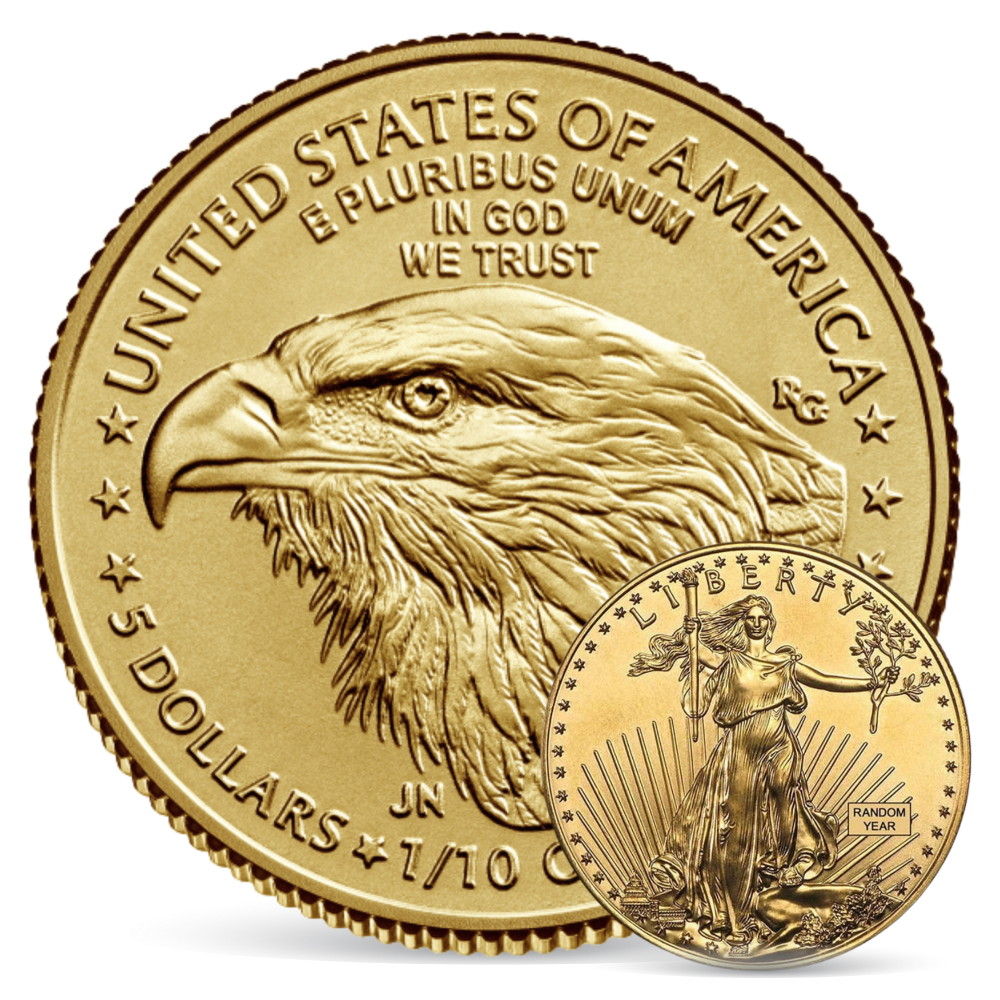
Gold American Eagle
U.S. Mint
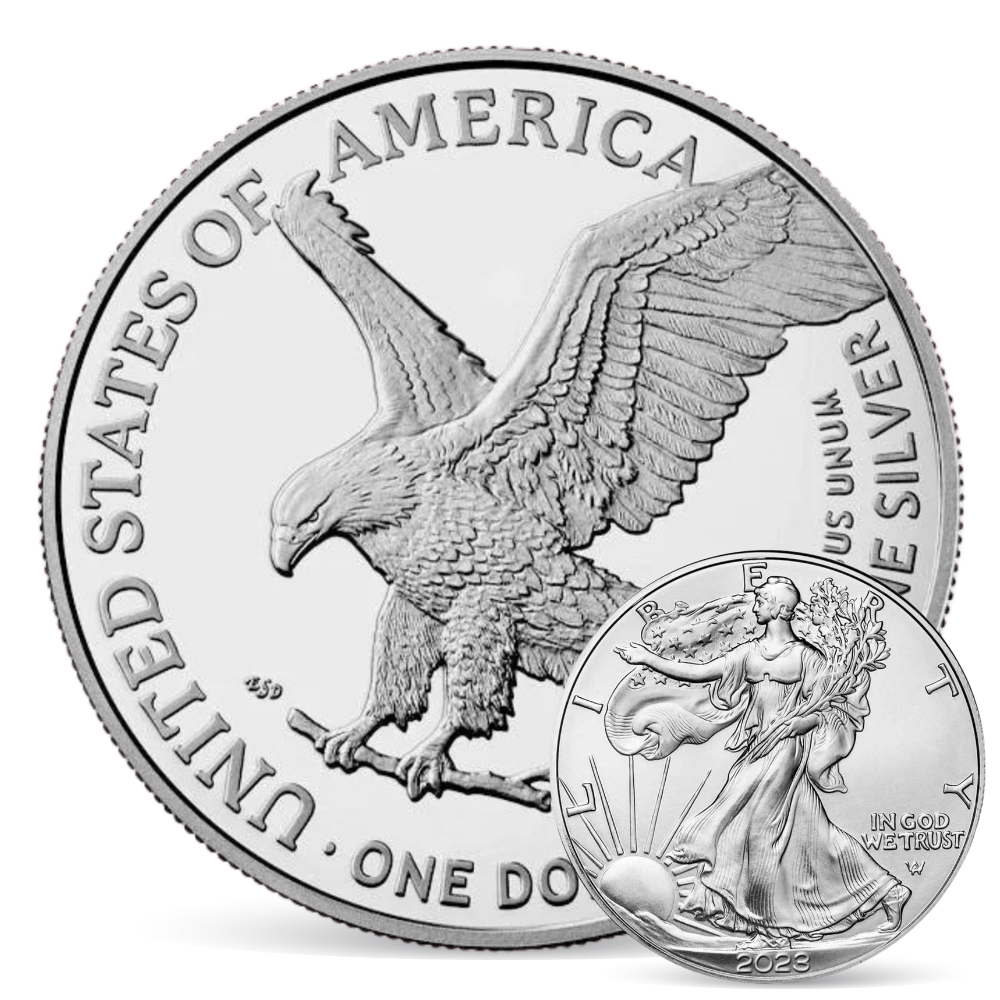
Silver American Eagle
U.S. Mint
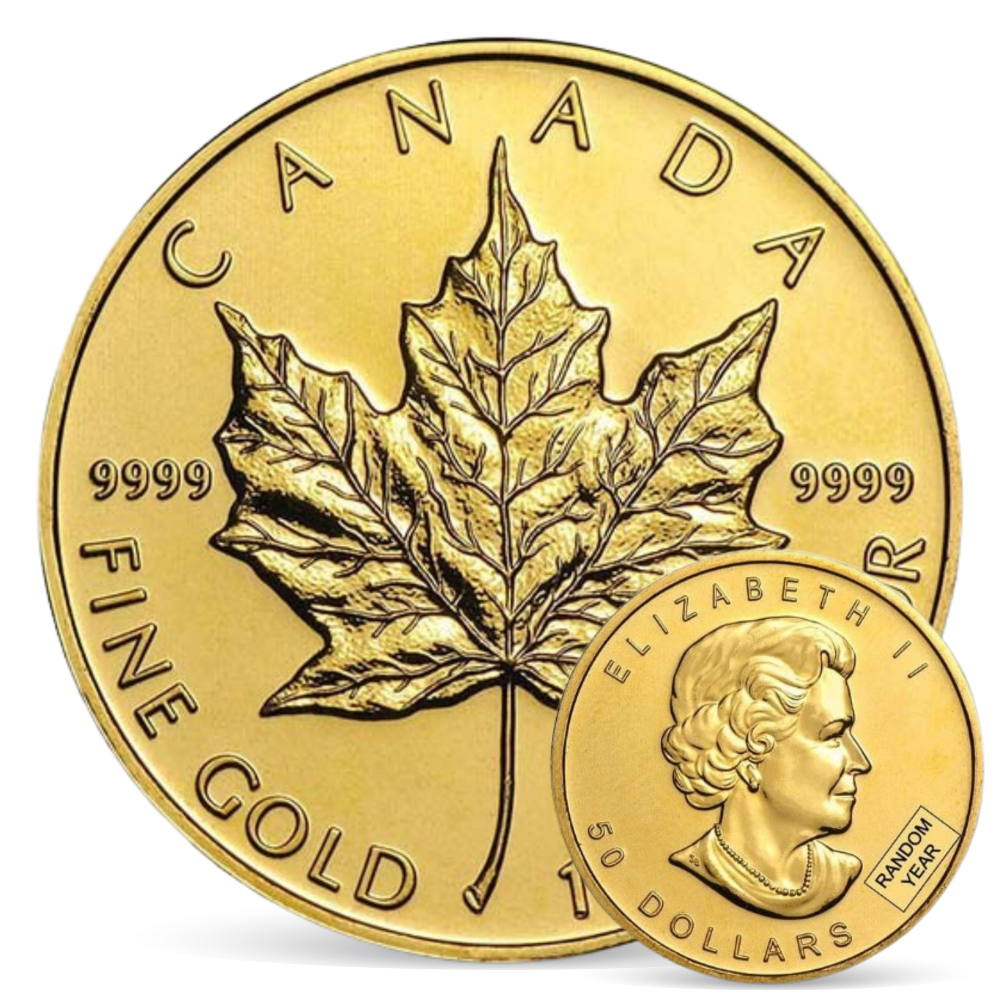
Gold Canadian Maple Leaf
Royal Canadian Mint
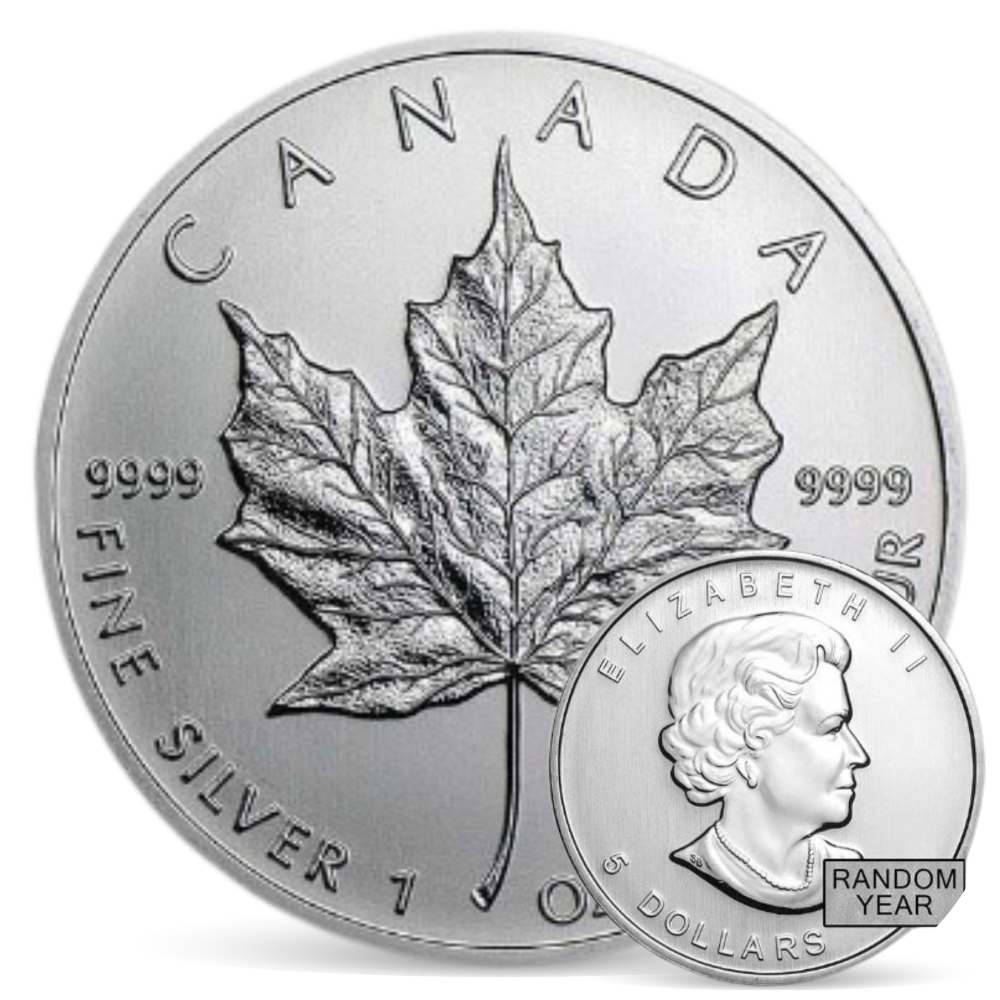
Silver Canadian Maple Leaf
Royal Canadian Mint
Ready to Buy?
Call Harvard Gold Group Today!
The Harvard Gold
Group Difference
Your Trusted Gold IRA Company
Harvard Gold Group (HGG) holds an A+ rating with the BBB and holds 5-star ratings on all major review sites.
HGG is the first gold dealer in America to provide customers the more “expensive" specialty coins at the same low range cost we offer for bullion coins. Don’t pay more for numismatic, semi numismatic, or collector coins.
We do not employ commissioned salespeople or bonused managers— ensuring that your goals, not sales quotas, are always our top priority.
Clients benefit from free consultations, transparent costs, and metals overviews, lifetime account support for you and your heirs— along with a simple, hassle-free buyback program.
Clients also enjoy direct assistance from HGGs co-owners who, since 2010, have helped Americans move over $100 million into tangible gold and silver, whether for secure direct delivery or retirement accounts / Precious Metals IRAs.