Key Takeaways
- The bond market recently acted in an unusual way: Treasury yields climbed even as oil prices fell, signaling that inflation fears and rate concerns may be deeper than one headline.
- Bonds are supposed to be the “safe” side of a traditional portfolio, but recent volatility is forcing investors to rethink that assumption.
- Rising federal debt, sticky inflation, and uncertainty around Federal Reserve policy are all putting pressure on the bond market.
- In inflationary and stagflationary environments, gold has historically stood out because it is a physical asset, not a paper promise.
The bond market just sent investors a message that should not be ignored.
According to MarketWatch, Treasury yields recently climbed even as oil prices were falling. That is unusual because falling oil prices often help calm inflation concerns. When energy prices drop, investors often expect less inflation pressure, which can help bond prices and pull yields lower.
But this time, the bond market did not behave that simply.
Instead, yields rose as investors continued to worry about inflation, interest rates, and the Federal Reserve’s next move. That matters because Treasury yields are not just numbers on a Wall Street screen. They help influence mortgage rates, credit cards, car loans, business loans, government borrowing costs, and retirement portfolios across America.
In other words, when the bond market shakes, the effects can reach almost everyone.
For decades, many Americans were taught a basic investment idea: stocks are for growth, bonds are for safety. That idea worked well enough during long stretches of falling interest rates and low inflation. But the last few years have exposed a problem with that old assumption.
Bonds can lose value. And when inflation is high or interest rates rise quickly, bonds can become far more volatile than many investors expected.
That is exactly why the recent bond-market move matters.
A falling oil price should have been a calming signal. Instead, bond investors appeared focused on a bigger concern: inflation may still be too stubborn, and the Federal Reserve may not be done fighting it. If markets believe the Fed may need to keep rates higher for longer — or even raise rates again — bond prices can come under pressure.
This is especially important because the Treasury market is the foundation of the global financial system. U.S. government debt is treated as one of the world’s most important “safe” assets. Banks, pension funds, foreign governments, insurance companies, and retirement plans all rely on it.
But even a “safe” asset can become painful when yields rise and prices fall.
That is the part many investors learned the hard way in recent years. Bonds are not cash. They are not guaranteed to hold their value in a rising-rate environment. When interest rates move sharply, bond prices can move sharply in the opposite direction.
Now add America’s debt problem to the picture.
The U.S. government continues to run large deficits. As the national debt grows, Washington must continue issuing more debt to fund its obligations. At the same time, higher interest rates make it more expensive for the government to service that debt.
This creates a troubling cycle: more debt, higher interest costs, more borrowing, and more pressure on the bond market.
That does not mean the system breaks tomorrow. But it does mean investors should pay attention when the bond market starts behaving in ways that do not fit the old playbook.
The bigger concern is not just inflation. It is the possibility of stagflation.
Stagflation is one of the most difficult economic environments for traditional portfolios. It combines slower economic growth with higher prices. In that kind of environment, stocks can struggle because corporate profits are pressured. Bonds can struggle because inflation and higher rates hurt bond prices. Cash can struggle because purchasing power declines.
That is why gold deserves the spotlight.
Gold is different.
Gold is not a bond. It does not depend on a borrower paying you back.
Gold is not a stock. It does not depend on corporate earnings, Wall Street projections, or management performance.
Gold is not a paper promise. It is a physical asset with a long history of being used as a store of value during times of inflation, uncertainty, and financial stress.
When inflation eats away at the purchasing power of the dollar, gold often becomes more attractive because it cannot be printed by a central bank. When investors worry that debt levels are too high, gold can stand apart because it is not tied to government borrowing. When confidence in paper assets weakens, gold can become a place investors look for protection.
That does not mean gold moves up every single day, or that gold is immune from volatility. No asset is. But historically, gold has performed well during inflationary periods and has also held up well during stagflationary environments — exactly the kind of environment that can be hardest on traditional stock-and-bond portfolios.
That is the point Americans should be paying attention to now.
The bond market is not just flashing a technical signal. It may be warning that the old assumptions about safety, inflation, debt, and diversification need to be revisited.
For years, investors were told that bonds were the conservative anchor. But what happens when the anchor starts moving?
What happens when inflation remains stubborn?
What happens when government borrowing keeps rising?
What happens when interest costs become a larger burden on the country?
And what happens when the Federal Reserve can no longer give markets the easy answers they want?
These are not fear-based questions. They are preparation-based questions.
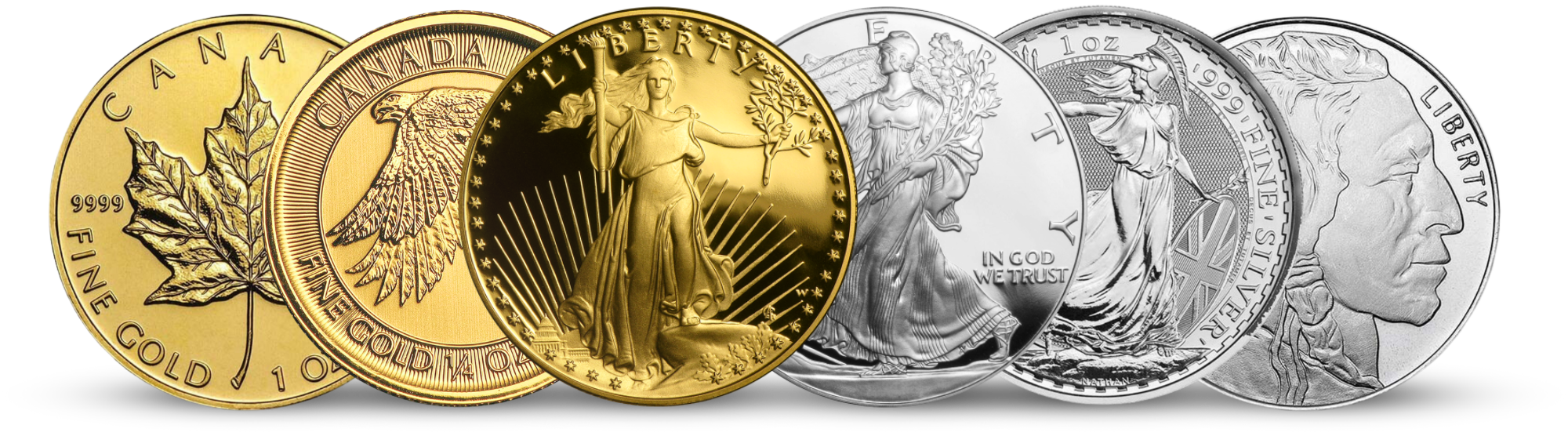
At Harvard Gold Group, we believe gold should be part of that conversation.
Not because gold is trendy.
Not because gold is speculative.
Not because gold depends on the next earnings report, government program, or central bank decision.
Gold matters because it has historically served a role that paper assets cannot always serve: preserving purchasing power when confidence in financial systems begins to weaken.
If the bond market is becoming more volatile, that should be a wake-up call.
If inflation remains difficult to control, that should be a wake-up call.
If America’s debt burden continues to rise, that should be a wake-up call.
The question is not whether every American should panic.
The question is whether every American should prepare.