
Gold does not have to rise every week for the reasons to own it to grow stronger.
At Harvard Gold Group, we believe the current decline in gold prices is providing a good buying opportunity for people looking to add physical gold to their retirement savings. The price has pulled back, but the larger concerns behind our long-term outlook—mounting government debt, recurring inflation and the declining purchasing power of money—have not disappeared.
No one can predict the exact bottom, and prices could move lower in the short term. But we believe this pullback offers an opportunity to buy at lower prices ahead of what could become one of gold’s strongest decades.
For Americans approaching or already in retirement, this is more than a debate about where gold prices go next. It is about protecting what a lifetime of saving will actually buy.
Higher Interest Rates Are Only Part of the Story
Higher bond yields can make interest-paying investments more attractive compared with gold, which pays no interest. A stronger U.S. dollar can also put pressure on gold’s dollar-denominated price. Those are real obstacles—but they do not tell the whole story.
The more important question is: Why are borrowing costs rising, and what happens when a heavily indebted government has to pay them?
Higher yields can reflect a stronger economy. But when they are accompanied by growing debt and larger interest bills, there is another side to the story. Washington has to carry that burden long after the market has moved on to the next headline.
In our view, the same pressures that can weigh on gold in the short term may strengthen the reasons to own it over the long term.
Washington’s Debt Problem Comes With an Interest Bill
Government borrowing does not stop costing money after the spending is done.
As debt matures, it must be repaid or refinanced. Replacing older, lower-rate debt with higher-rate borrowing increases the interest burden. Continued deficits add still more debt—and more interest to pay.
In its February 2026 outlook, the Congressional Budget Office projected annual federal net interest costs of approximately $1 trillion in 2026, rising to $2.1 trillion in 2036. That is the cost of servicing the debt—not paying it down.
We see a growing tension here. Keeping rates elevated to fight inflation makes government borrowing more expensive. Allowing inflation to remain elevated leaves savers facing further erosion of their purchasing power.
Neither outcome should be brushed aside by someone whose retirement depends on money lasting another 20 or 30 years.
Lower Inflation Does Not Give Your Purchasing Power Back
You do not experience inflation as a chart. You experience it when you buy groceries, pay household bills and decide whether the retirement budget still has room for the things you planned.
Even when inflation slows, the overall price level continues rising as long as inflation remains positive. A decline from 4% inflation to 2% does not return prices to where they started. It means prices are increasing more slowly.
That distinction matters.
Your account balance can remain intact while your standard of living slips.
For someone still working, higher earnings may help close the gap. For someone drawing from retirement savings, that gap may mean larger withdrawals, fewer choices or a growing concern about outliving the money.
This is why we believe retirement protection should be measured in purchasing power—not dollars alone.
The Fed Cannot Fix Every Source of Higher Prices
Higher interest rates can slow borrowing and spending. But they cannot directly repair the supply disruptions that make goods scarce. Federal Reserve research distinguishes between demand-driven price pressures, which respond to tighter monetary policy, and supply-driven pressures, which may not respond the same way.
A rate increase cannot end a war, reopen a disrupted shipping route or replace a failed harvest. Energy, transportation and food disruptions can still push costs higher and spread through the economy.
That leaves policymakers facing difficult choices—and households living with the consequences.
At HGG, we do not believe one encouraging inflation report is enough to dismiss the possibility of another shock. A long-term retirement plan deserves a longer view.
Why Physical Gold Is Different
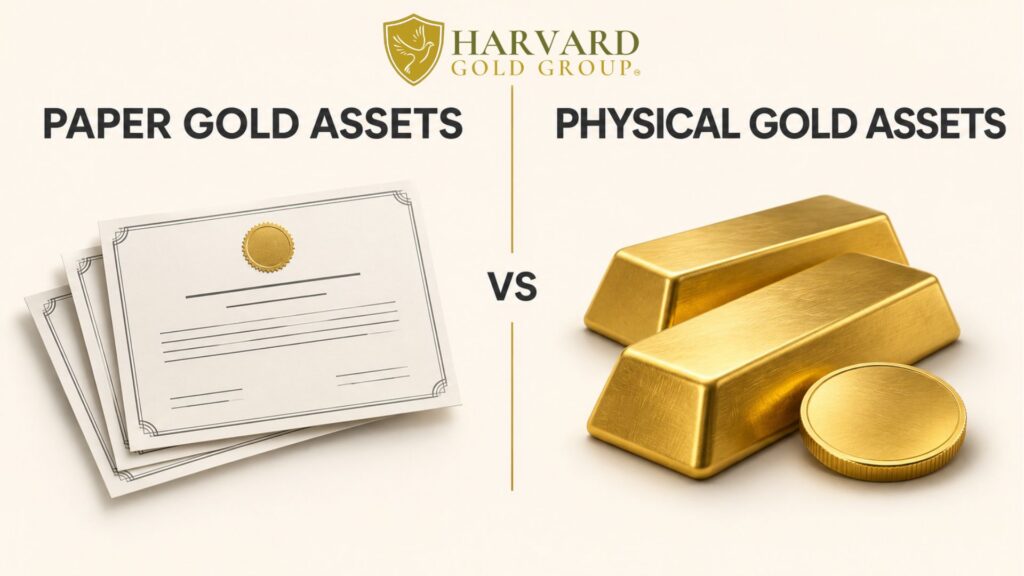
A Treasury bond is a government’s promise to repay. Physical gold is not.
The metal itself is not someone else’s debt. It has no issuing government that must make an interest payment, and its scarcity cannot be changed by a central-bank announcement. Those characteristics help distinguish gold from government-issued money and debt-based investments.
We believe that distinction becomes more important when investors begin questioning how governments will manage their growing obligations—and what those decisions could mean for the value of their savings.
This does not require predicting a dollar collapse. It requires recognizing that holding an asset outside government debt can serve a different purpose from holding another promise to be paid in dollars.
Gold is not risk-free, just as no other investment is, not your dollars either. Gold's price can decline, and it does not provide interest or dividends. We view it as a potential part of a diversified retirement strategy, not a replacement for every other investment.
The HGG Perspective
We are not building our long-term outlook around the next Federal Reserve meeting or a single gold-price target.
We believe the larger story is the growing strain between government debt, the cost of borrowing and the need to preserve confidence in money. That combination could help make the years ahead a defining period for gold.
A short-term pullback does not prove those underlying concerns have disappeared. We believe the current decline is creating an opportunity to act on those long-term concerns at a lower purchase price.
For retirement savers, the question is not simply, “Will gold be higher next month?” It is, “Have I prepared for the possibility that my dollars will buy considerably less in the years ahead?”
You spent a lifetime building your savings. Hedging and protecting what those savings can buy deserves just as much attention as growing the balance.
Story by Harvard Gold Group
Educational Note: This material is provided for general educational purposes and is not individualized investment, tax or legal advice. Precious-metals prices can rise or fall, and investors should consider their own objectives and circumstances before making a purchase.