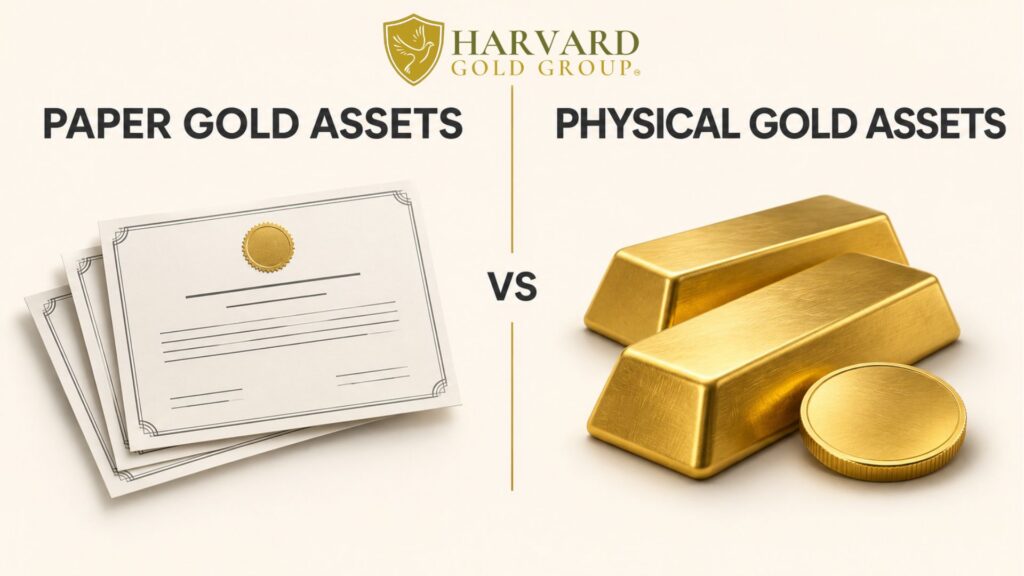

Why Financial Advisors Say ‘No’ to Physical Gold
Why This Matters Now— And Why American Investors Are Behind
For decades, the majority of financial advisors discouraged clients from owning physical gold— especially inside retirement accounts.
But that conversation is changing.
Not because Wall Street suddenly became a fan of gold. Not because the financial industry changed its business model. But because the world has changed.
Central banks, large institutions, and governments around the world are quietly moving more wealth into physical gold. They are not doing it for excitement. They are doing it for protection.
And American investors need to understand why.
Since 1997, U.S. law has allowed certain physical precious metals to be held inside IRAs. Yet for years, many advisors strongly pushed clients away from physical gold. Today, that old resistance is harder to defend because the global shift toward gold has become too big to ignore.
Why are Americans so Far Behind the Global Gold Shift?
For generations, Americans had a financial advantage most of the world did not.
The U.S. dollar was dominant. Stocks and bonds worked well for long periods of time. Retirement planning became centered around managed portfolios, mutual funds, ETFs, and paper assets.
Because of that, most Americans were never taught why owning something tangible outside the financial system might matter.
The rest of the world never had that luxury. In Europe, Asia, Latin America, and the Middle East, physical gold has long been viewed as a serious form of wealth protection. It has served as something real people could hold outside the reach of banking instability, currency weakness, and government policy shifts.
America never fully developed that mindset because the dollar was the world’s reserve currency.
That U.S. advantage is eroding. Since the 2008 financial crisis— and especially after 2020— de-dollarization momentum has significantly accelerated. Central banks and institutions worldwide are deliberately reducing reliance on the dollar and U.S. Treasuries while accumulating physical gold at historically elevated levels.
That is a major warning sign.
And most American investors are still behind.

According to the World Gold Council, central banks added 863 tonnes of gold in 2025, marking one of the strongest years of official-sector buying on record and remaining far above the 2010–2021 annual average of 473 tonnes. That followed three consecutive years of 1,000+ tonne purchases from 2022 through 2024, confirming that gold accumulation is a long-term strategic shift.
Even more telling, after gold’s powerful move up from September 2025 through January 2026, China did not step away during the February–March sharp pullback. Reuters reported that China’s central bank continued buying, while later reports showed China’s March gold imports from Hong Kong rose to 47.866 metric tons.
That is not trend-chasing— it is disciplined accumulation. While many retail investors freeze during sharp pullbacks, major global buyers often use the weakness to increase exposure at more favorable prices. This is strategic risk management in response to record debt, persistent inflation pressure, currency debasement risk, and rising geopolitical uncertainty like war.
The American Investor Gap
Despite these global shifts, most Americans remain heavily exposed to the same financial system:
- Only about 10–11% of Americans own physical gold in any meaningful way. That means nearly 90% of investors remain fully exposed to the same system— just in different types of paper assets.
- Even well-constructed portfolios are still tied to the same system:
- The same dollar-denominated assets
- The same markets
- Tied to the same financial institutions
- The same paper-based structure
The critical question: Is your portfolio truly diversified, or is it diversified within a single paper system that is undergoing critical structural change?
For someone near or in retirement, that question matters.
You may not have decades to recover from a major financial reset, currency shock, market decline, or prolonged inflation cycle.
Protection matters more when time is no longer on your side.
The Financial Environment Has Changed
Large and sophisticated pools of capital are now moving differently. They no longer treat gold as an outdated asset.
- Central banks are accumulating gold more urgently and at historic rates
- Many Insurance companies are now purchasing gold to hedge exposure
- Pension funds have started allocating to physical gold to help offset bond and currency risk
- Cities, counties, and institutional pools are quietly hedging with gold for similar reasons
This is notable because these kinds of institutions were not traditionally active buyers of physical gold in the same way. Their growing participation in recent years reflects a meaningful shift that has received far less public attention than it deserves.
These institutions are not buying gold at all-time highs because they are afraid of missing out. They don’t buy out of emotion, and they are certainly not buying it because of a headline or a short-term price move.
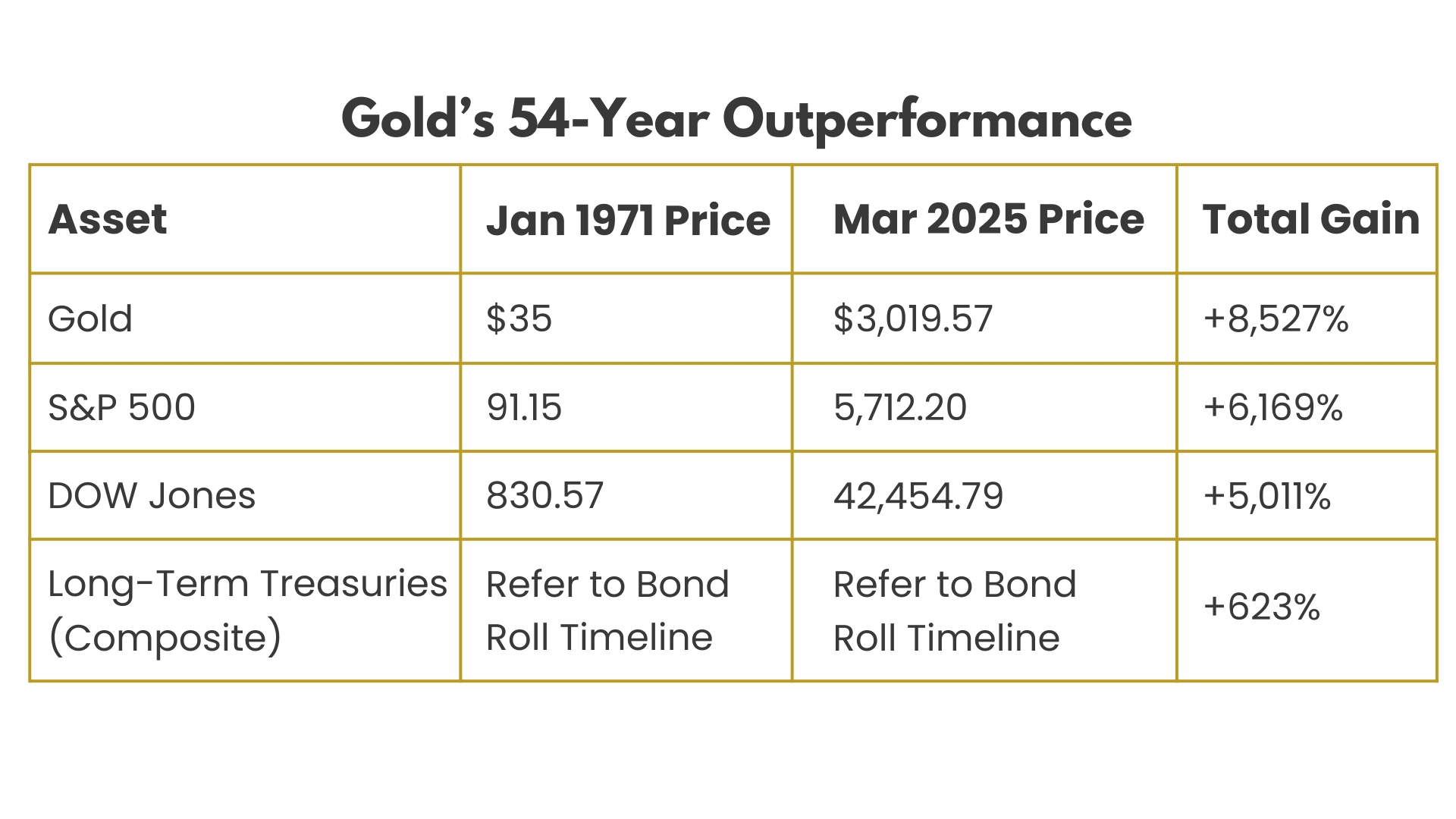
This is not speculation. This is risk management at the highest level and scale.
These institutions are responding to real RISK:
- Too much global debt
- Persistent inflation pressures
- Geopolitical unrest and instability
- Growing uncertainty around long-term monetary stability
- Currency printing/debasement – loss of purchasing power
In other words, risk is being repriced globally, which helps explain why gold has moved higher. And when that happens, the meaning of diversification must change too.
Physical gold is not being accumulated because it is new.
It is being accumulated because unlike paper assets:
- Gold has no counterparty risk
- Gold cannot be printed or diluted
- It exists outside the financial and digital system
- It has served as real money and stored value for thousands of years
For decades, most Americans did not think that they needed the specific financial protection that only physical gold can offer.
Now, that is beginning to shift.
So Why Have Financial Advisors Said No for So Long?
Since the Taxpayer Relief Act of 1997 expanded the precious metals permitted in IRA retirement accounts to include physical gold and silver, one of the most common things gold and silver dealers have heard from prospective clients is this: “My financial advisor told me not to invest in gold.”
Many investors have experienced this first-hand.
Bring up gold, and the response is often immediate:
- “Gold doesn’t produce income”
- “Gold is just a commodity”
- “It’s a speculative asset”
- “You’re better off staying in the market”
But those objections miss the point.
Physical gold is not meant to replace your entire retirement portfolio. It is not trying to act like a stock or a bond. It is not there to pay dividends or compete with growth investments.
Physical gold has a different job.
Its role is protection, balance, and to hedge against the loss of the purchasing power of your dollar. And possibly most important— have a portion of your wealth outside the paper financial system.
If you’re planning to retire, close to it, or already there, that difference matters.
At this stage of life, peace of mind can matter just as much or more than performance. Many investors are no longer trying to squeeze every last dollar of growth from the market. They want to know that part of their savings is anchored in something real.
That is where physical gold plays a unique and critical role.
The System Advisors Operate Within
To understand the resistance, it helps to understand the system most advisors work in. Financial advisors are trained, licensed, and compensated to manage traditional financial assets such as:
- Stocks
- Bonds
- Mutual funds
- ETFs
That’s their world and the system they know.
Everything they recommend lives inside a paper system that can be monitored, managed, rebalanced, and kept under their control.
Physical gold does something very different.
It removes a portion of your wealth from that system entirely.
When that happens:
- It is no longer under the advisor’s management
- It can no longer generate ongoing fees
- The physical gold is owned and controlled directly by you
That’s not just a financial shift.
That’s a control shift. And once control is lost, they can feel threatened that they will lose a larger portion of control.
And for decades, that has been one of the biggest reasons many advisors pushed back so strongly against physical gold.
The Narrative Is Shifting — But Not Far Enough or Fast Enough
Over the last few years, it has become harder for advisors to dismiss gold completely.
Many are no longer saying, “Do not own gold.”
Now the response is more likely to be:
- “A small amount may make sense.”
- “You could have some exposure.”
- “We can add gold inside the portfolio.”
That is a meaningful change.
But what happens next is just as important.
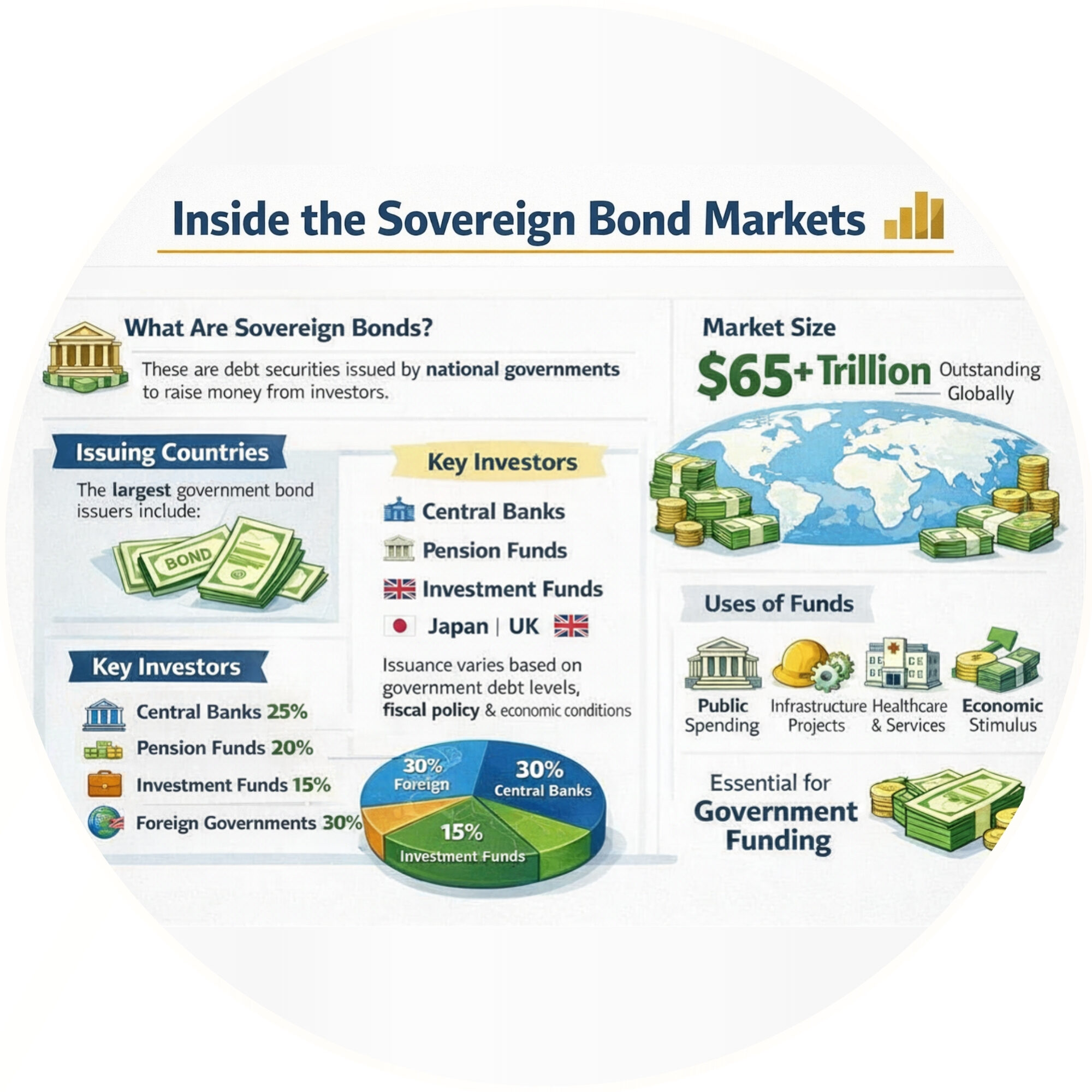
Almost immediately, the recommendation shifts towards paper-gold products that still fit within the advisors’ system— something that is still paper:
- ETFs
- Mutual funds
- “Gold exposure” inside the portfolio
In other words, gold is being acknowledged— but physical gold is still being avoided.
That distinction matters.
Paper gold may track the price of gold.
But physical gold is owned outside the financial system.
Those are not the same thing.

Why the Shift Is Happening Now
The reason is simple. The data— and the behavior of large institutions— can no longer be ignored.
When:
- Central banks accumulate at record levels
- Pension funds are beginning to allocate to physical gold
- Many insurance companies are now hedging with physical gold
- Institutional capital is moving outside traditional assets and towards real gold
The old narrative becomes harder to defend.
Advisors are beginning to adjust— not because the system itself changed… but because reality is forcing a broader conversation.
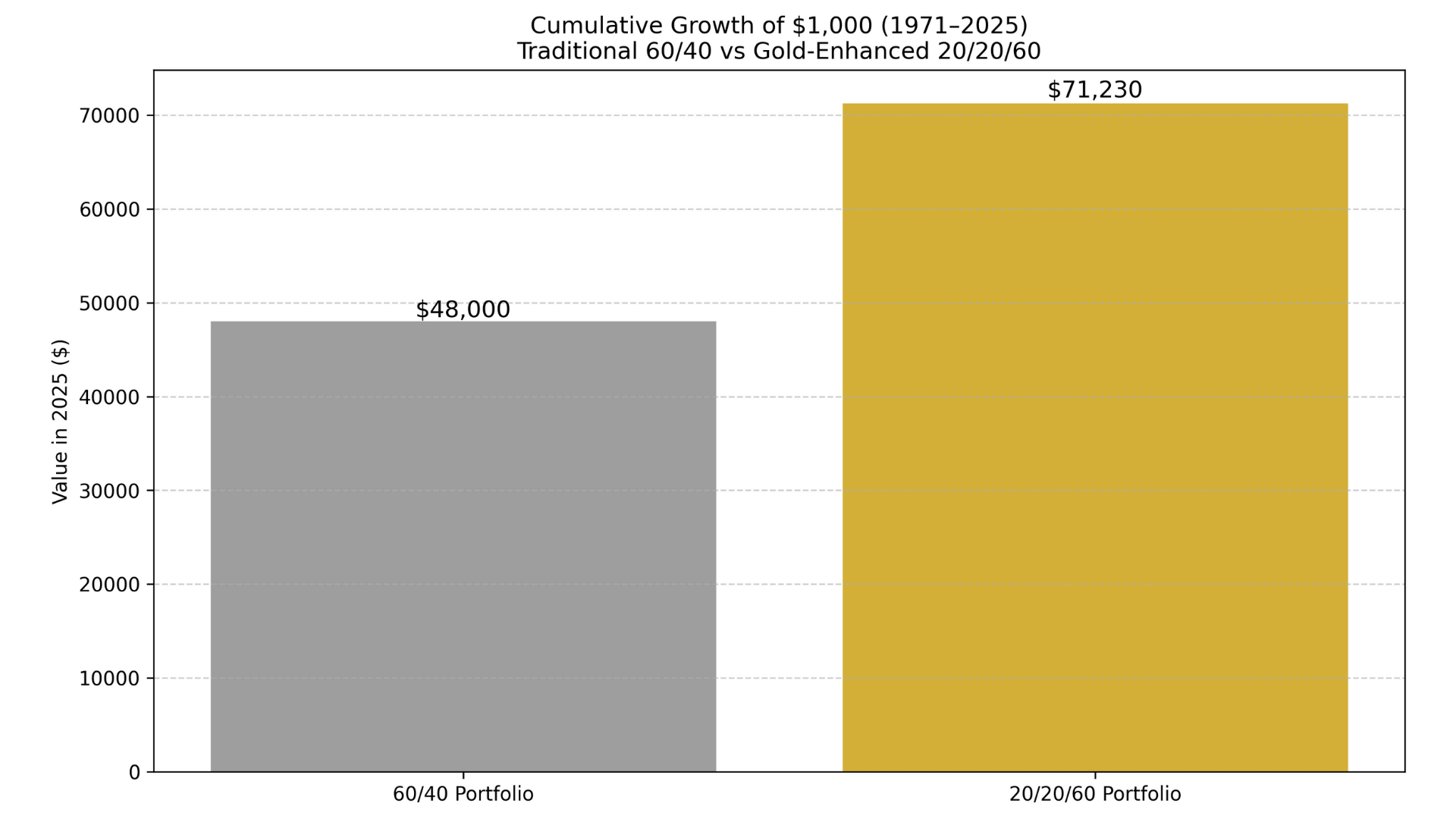
Final Thought: This Shift Isn’t Being Led by Advisors
It never has been. And even now, it isn’t.
This shift is being driven by the world around them:
- De-dollarization
- Central Banks around the world are buying gold
- Institutional behavior
- Macroeconomic reality
- Geopolitical instability and the possibility of world war
- And investors are asking better questions

Advisors are beginning to acknowledge gold…because they can no longer ignore it.
But the decision itself? That still sits with the investor.
And for Americans nearing retirement or in retirement, this may be one of the most important financial questions of the decade:
Do you want all of your wealth tied to the same paper system— or do you want a portion protected in something real?
Harvard Gold Group Perspective
At Harvard Gold Group, the goal is to help investors understand why this conversation matters and how physical gold may fit into a broader protection strategy.
What is changing today is not just market behavior.
It is investor awareness.
More Americans are beginning to recognize that physical golds’ role in a portfolio is protection.
It is about owning a portion of your wealth:
- Outside the financial system
- Outside counterparty risk
- And outside the forces that impact every dollar-based asset
If investors fully understood that distinction… they would begin asking different questions and making different allocation decisions.
If you are evaluating whether physical gold belongs in your overall strategy— whether through direct delivery or a self-directed IRA / retirement account— we’re here to help you understand how it works and how it fits.
Harvard Gold Group (HGG) does not hire commissioned salespersons so that the conversation remains about you and your goals. HGG holds an A+ rating with the BBB and is ranked 5-star across the board, with zero complaints. Since 2010, our co-owners have helped Americans move over $100 million into tangible gold and silver— whether for secure direct delivery or retirement accounts / Precious Metals IRAs.
Clients benefit from free consultations, complimentary metals overviews, free 2-day insured shipping, our best-pricing policy, and lifetime account support. We also offer a simple, hassle-free buyback program with no liquidation fees for you or your heirs.
Join the millions who are making the transition to precious metals and protect your future today.
www.harvardgoldgroup.com
(844) 977-4653